
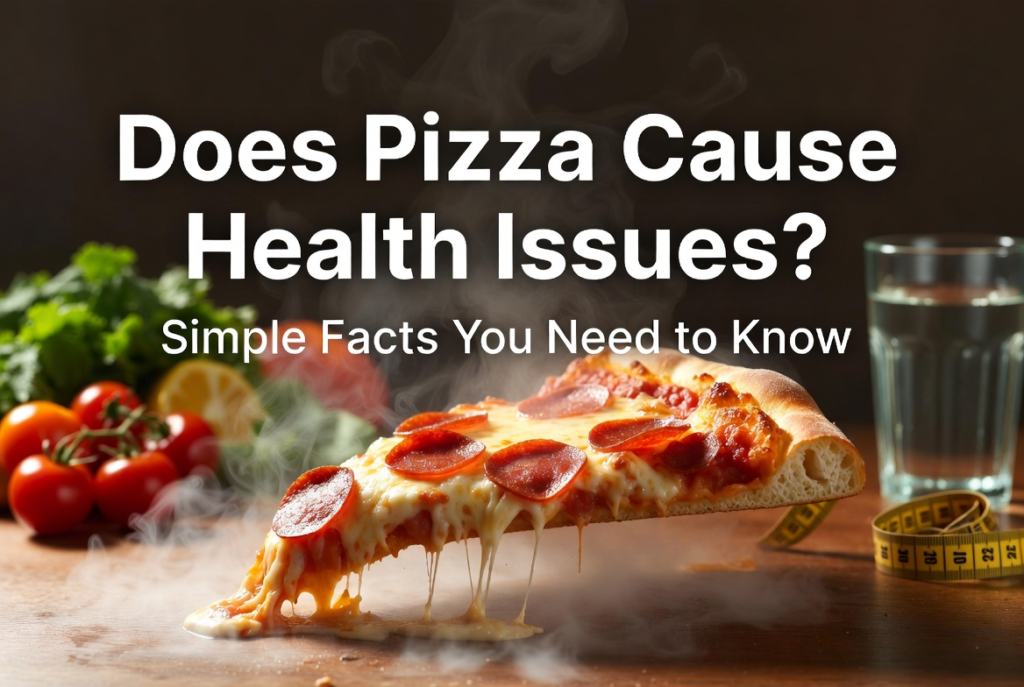

Have you ever wondered if that slice of Pizza Cause you to feel tired or bloated later? We all love a hot, cheesy slice, but sometimes our bodies react in strange ways. It is important to look at what is in our food. Understanding why pizza causes specific reactions can help you feel your best. Let’s dive into the science behind your favorite snack. By learning how ingredients like dairy, wheat, and processed meats work, you can make smarter choices. You do not have to give up your favorite meal forever. You just need to know how it affects your energy and digestion.
Is Pizza Bad for Your Health?
Many people ask if pizza causes long-term health problems. The truth is that it depends on the ingredients. A homemade slice with veggies is very different from a greasy, fast-food pie. High amounts of sodium and saturated fat are often found in store-bought options. These can impact your heart health over time. However, eating pizza once in a while is usually fine. Balance is the most important part of any healthy diet. Focus on the quality of the dough, the sauce, and the toppings you choose.
Why Pizza Causes Bloating
If you feel puffy after eating, you are not alone. Often, pizza causes bloating because of the high salt content in the cheese and crust. Your body holds onto extra water when you eat too much sodium. Additionally, the refined flour in the dough can be hard for some people to digest. This creates gas in your stomach. If you notice this often, try eating a smaller portion. Drink plenty of water throughout the day to help your body process the meal. Sometimes, choosing a thin crust can make a big difference in how you feel.
The Role of Dairy and Digestion
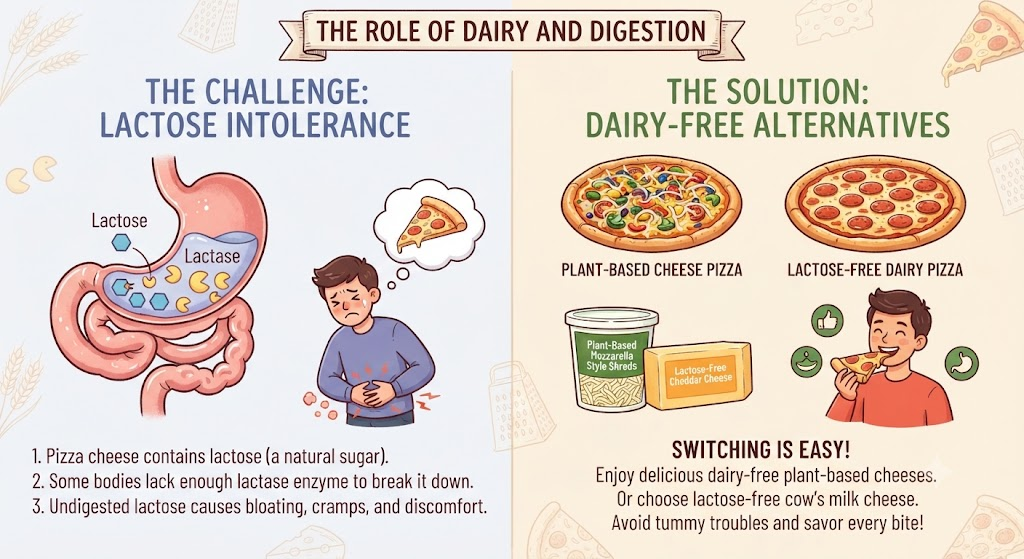
For many, the cheese on pizza causes tummy troubles because of lactose. Lactose is a natural sugar found in milk products. If your body struggles to break down this sugar, you might feel cramps or discomfort. Many people are lactose intolerant without even realizing it. If pizza causes pain, try a dairy-free cheese option. There are many great plant-based cheeses available today that taste delicious. You can also look for lactose-free cow’s milk cheese at the store. Making this simple switch can help you enjoy your meal without the side effects.
How Processed Meats Affect You
Toppings like pepperoni and sausage are tasty, but they are highly processed. Often, pizza causes lethargy because these meats are heavy in fats and preservatives. Your body has to work hard to break down these dense items. This process takes energy away from your brain and muscles. If you want to avoid that “food coma,” try skipping the meat. Swap it for colorful veggies like bell peppers, mushrooms, or spinach. These additions provide fiber, which helps your digestion stay on track. You will likely feel more energized after your meal.
Sugar in the Pizza Sauce
Did you know that some pizza causes spikes in blood sugar? This happens because many commercial sauces have added sugar. When you eat a lot of sugar, your blood glucose rises quickly. Then, it drops just as fast. This roller coaster leads to mood swings and sudden hunger. To prevent this, check the label on your sauce. Better yet, make a quick sauce at home using crushed tomatoes, garlic, and herbs. Fresh ingredients make the meal much healthier. They also taste much better than the canned versions found at the store.
The Impact of Gluten Sensitivity
For some, the wheat in the crust is the main issue. If pizza causes skin breakouts or fatigue, it might be due to gluten. Gluten is a protein found in wheat. If your body is sensitive to it, it can cause inflammation. Many people feel much lighter when they switch to gluten-free dough. You can find these crusts at most grocery stores or pizza shops. Trying a cauliflower or almond flour crust is a great way to avoid wheat. Pay attention to how your body reacts to these alternatives.
Does Pizza Cause Acne?
Some studies suggest that certain foods can trigger skin issues. High-glycemic foods, like white flour crusts, are often blamed. When your blood sugar jumps, your body produces more oil. This can lead to clogged pores for some people. If you feel like pizza causes skin irritation, try tracking your meals. Eat plenty of fresh fruits and vegetables to support clear skin. Healthy fats, like those found in avocados or nuts, are also good for your complexion. A balanced diet is the best way to keep your skin glowing.
Portion Control is Key
It is easy to overeat when the food tastes so good. However, eating too much pizza causes your digestive system to work overtime. Instead of eating half the pie, start with one or two slices. Pair your meal with a large green salad. The fiber in the salad helps you feel full faster. It also slows down how quickly your body absorbs the sugars from the crust. When you practice portion control, you satisfy your cravings without feeling sick. This simple habit makes a massive difference for your overall well-being.
Choosing Better Toppings
You have the power to make your meal better. Instead of greasy meat, load up on plants. Veggies add vitamins, minerals, and antioxidants to your plate. When pizza causes a heavy feeling, it is usually because the meal lacks nutrients. Fiber-rich toppings help move food through your gut more easily. This reduces the risk of constipation and bloating. Try adding onions, broccoli, or even pineapple for a sweet touch. These healthy options make your dinner both delicious and nutritious. Your body will thank you for the extra fiber.
Creating a Healthier Homemade Version
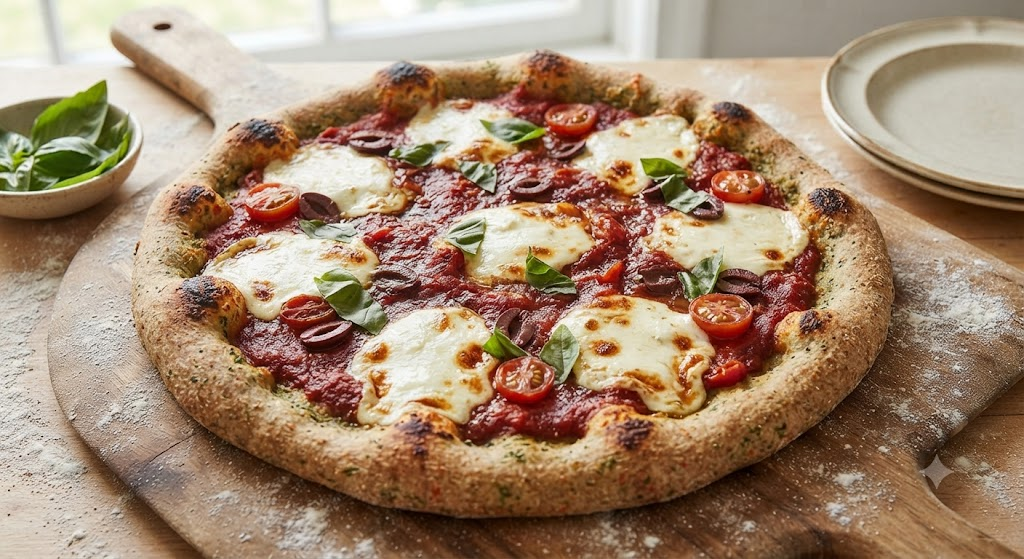
The best way to know what you are eating is to make it yourself. When you make pizza, you control every ingredient. You can use whole-wheat flour or even a veggie-based crust. You can pick a low-sugar sauce and fresh mozzarella. Making your own pizza causes much less stress on your body than ordering out. Plus, it is a fun activity to do with friends or family. You can customize every slice to fit your specific needs. It is the ultimate way to enjoy your favorite food while staying healthy.
Frequently Asked Questions
1. Why does pizza make me feel bloated?
The high salt content and refined flour can cause your body to hold water and create gas in your stomach.
2. Can pizza cause skin problems like acne?
For some people, high-glycemic foods like white flour can spike blood sugar, which may trigger skin oil production.
3. Is it better to choose gluten-free crust?
If you are sensitive to wheat, a gluten-free crust can prevent inflammation and help you feel much lighter after eating.
4. Does pizza sauce contain a lot of sugar?
Many store-bought sauces have added sugar. It is best to check labels or make your own sauce at home.
5. How can I stop feeling tired after eating pizza?
Focus on smaller portions, skip the processed meats, and add plenty of fiber-rich vegetables to your meal.
6. Are there healthier ways to eat pizza?
Yes! Use thin crusts, choose veggie toppings, and enjoy your slice with a big side of fresh greens.
Conclusion
Pizza is a beloved comfort food, but it is wise to be mindful of how it makes you feel. By understanding why pizza causes certain reactions, you can make better choices for your body. Whether it is switching to a gluten-free crust, adding more veggies, or just watching your portion sizes, you can still enjoy your favorite slices. Remember, a healthy lifestyle is all about balance, not restriction. Try making your own pizza this weekend and see how much better you feel! What is your favorite healthy topping? Let us know in the comments below!