

Have you ever listened to your favorite rock song and wondered how the guitar sounds so warm, fuzzy, and powerful? That magic sound usually comes from a tiny box on the floor called a pedal. When guitar players want to make their clean notes sound hot and roaring, they step on Overdrive Guitar Effects. It is like waking up a sleeping dragon inside your amplifier! You do not need to be a sound wizard to understand how this gear works. Think of it like turning up the volume on a small speaker until it starts to buzz in a really cool way. Today, we are going to look closely at these fun little pedals. We will explore how they make your music roar, why players love them, and how you can use overdrive guitar effects to make your own tunes sound amazing. Let’s plug in and start this fun musical adventure together!
What Are Overdrive Guitar Effects?
When we talk about overdrive guitar effects, we are looking at tools that gently push your guitar sound into a warm crunch. Imagine whispering softly into a microphone and then suddenly speaking a little too loudly. The microphone gets slightly overwhelmed, and your voice sounds thick and punchy. That is basically what an overdrive pedal does to your guitar strings! Long ago, players found out that if they turned their tube amplifiers up super high, the sound would get naturally fuzzy. But turning an amp up loud can make your ears ring and annoy your neighbors. So, smart people invented overdrive guitar effects pedals to give you that cool, cranked-up tube sound at any volume you want. It is a simple electronic trick that chops off the very tops of your sound waves in a very smooth way. This clipping action turns a boring, flat electric guitar tone into something rich, warm, and full of musical life.
A Quick History of Tube Sound
To truly appreciate overdrive guitar effects, we have to take a fun little trip back in time. Back in the early days of rock and roll, guitar amplifiers were powered by fragile glass tubes. If a musician wanted a loud, aggressive sound, they had to turn the amplifier knobs all the way to maximum. Sometimes, players would even poke tiny holes in the speaker cones with pencils to make the sound buzzier! Famous blues legends accidentally discovered that overworking these old amps created a sweet, singing sustain. As time went on, engineers realized they could put this magic tube-crunch inside a small metal box you could fit on your pedalboard. This big breakthrough meant players did not have to break their heavy amplifiers to get great overdrive guitar effects. They could just stomp on a foot switch. This changed popular music forever and gave birth to the crunchy guitar solos we still love to hear on the radio today.
How Overdrive Differs from Distortion
People often mix up overdrive guitar effects with heavy distortion or fuzz pedals, but they are quite different. Think of an overdrive pedal as a gentle wave crashing softly on a sunny beach. It only gets loud and crunchy when you pick your guitar strings hard. If you play softly, your music still sounds clean and sweet. On the other hand, distortion and fuzz pedals crush your sound wave all the time, no matter how lightly you touch the strings. They give you a sharp, buzzing robot sound that is great for heavy metal music. But when you use overdrive guitar effects, your original guitar note always stays clear and easy to hear underneath the crunch. This makes overdrive the absolute best choice for blues, classic rock, and country music where every single note needs to shine through clearly without getting lost in a muddy wall of heavy noise.
Why Every Guitarist Needs One
Every guitar player needs at least one good pedal for overdrive guitar effects in their gear bag. Why? Because these little boxes are like a secret weapon for your tone. If your main amplifier sounds a bit boring or dull, adding a touch of overdrive brings instant life to your notes. It adds a lovely mid-range boost that helps your guitar cut right through the mix when you play in a band with a drummer and a bass player. When you step on the switch during a guitar solo, your notes will sing longer and hold out in the air like a violin. Even famous pop stars and jazz musicians use overdrive guitar effects to give their clean tones a tiny bit of warmth and character. It takes your standard guitar sound and wraps it in a cozy, professional blanket of rich musical texture.
Anatomy of an Overdrive Pedal
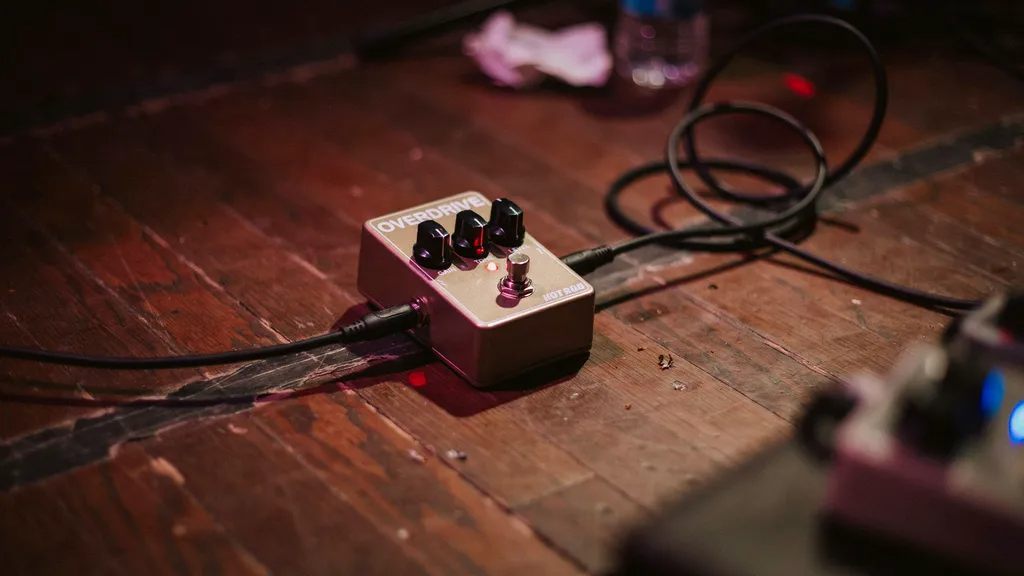
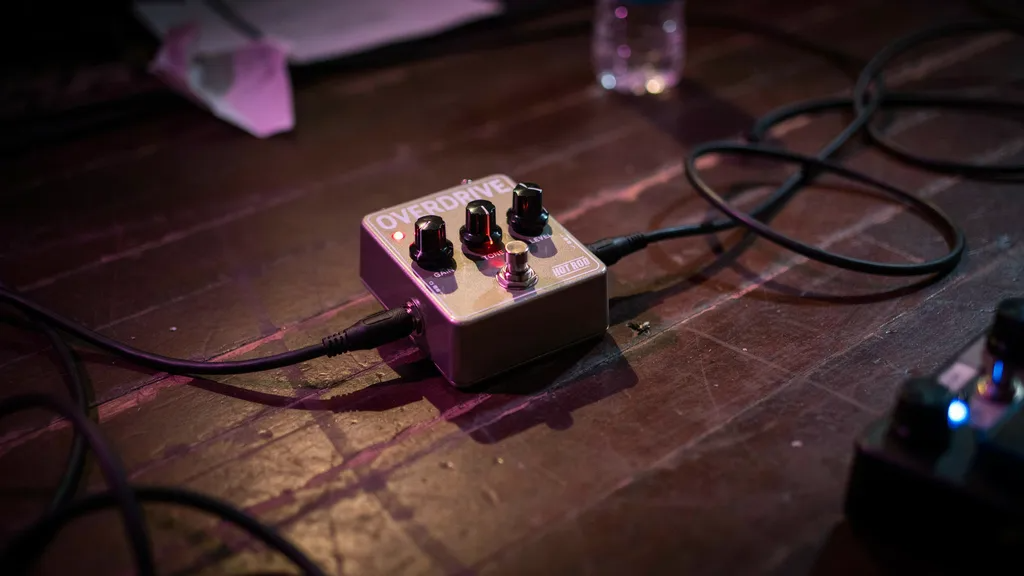
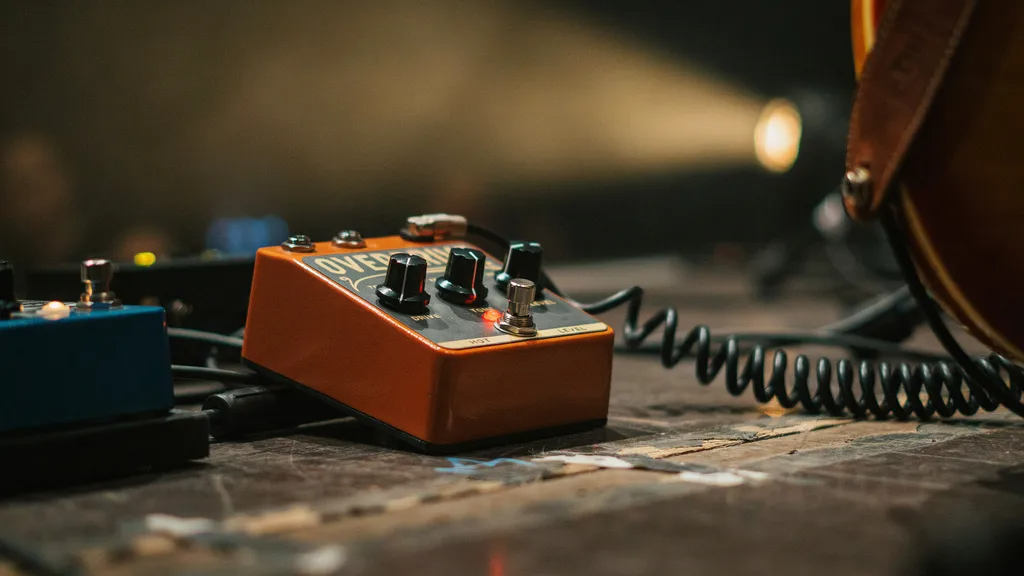
If you open up a classic box for overdrive guitar effects, you will find a simple layout of knobs and wires. Most pedals have three main knobs that control your sound. The first one is usually called Drive or Gain. This knob decides how much crunch and dirt you want to add to your clean signal. Turning it up gives you more grit. The second knob is Tone, which lets you make your guitar sound brighter like sunshine or darker like a cloudy day. The third knob is Level or Volume, which matches your boosted pedal volume with your regular amp sound so things do not suddenly get too loud. Learning how these three simple knobs work together is the fun part of using overdrive guitar effects. You can spend hours twisting them around to find your own special signature sound that makes you want to play your guitar all day long.
Top Gear Picks on the Market
If you are ready to buy your first pedal for overdrive guitar effects, you have some amazing choices waiting for you at the music shop. The most famous pedal in the whole world is a little green box that has been used on thousands of hit records since the 1980s. It has a smooth, creamy sound that makes any guitar feel friendly and easy to play. Another popular choice is a golden transparent pedal that keeps your original guitar tone completely pure while adding just a dash of rich sparkle on top. Some modern overdrive guitar effects even give you two pedals in one, letting you switch between a light boost and a heavy crunch instantly. No matter which brand you pick, these reliable little metal boxes are built like tiny tanks and will happily live on your floor for many years of heavy rocking.
How to Set Up Your Gear
Getting the best sound from your overdrive guitar effects is all about how you connect your cables and set your amplifier. First, plug your electric guitar into the input jack of the overdrive pedal using a standard cable. Then, run another cable from the output jack of the pedal straight into the front of your guitar amplifier. For the best results, start with your amplifier set to a clean, clear sound with the volume at a moderate level. Turn the knobs on your overdrive guitar effects pedal right up to the middle position. Strum a big open chord and listen to the magic happen! If you want more growl, slowly turn up the drive knob. If your tone sounds too muddy, tweak the tone knob until your notes sparkle. Finding this sweet spot is an exciting part of your daily music practice routine.
Boosting Tube Amplifiers
One of the coolest secrets about overdrive guitar effects is using them to push an already loud tube amplifier over the edge. Imagine your amplifier is already working hard to give you a natural rock crunch. When you turn on your overdrive pedal, it sends an extra wave of electric energy straight into the front of the amp. This extra push makes the amplifier tubes work even harder, resulting in a rich, singing sustain that feels amazing to play. Many famous stadium rock guitarists use their overdrive guitar effects this way during live concerts. They keep the drive knob on the pedal turned down low and the volume turned up high. This trick does not add extra fuzzy dirt; instead, it makes your existing guitar tone punch harder, stand taller, and sing with incredible power across the whole stage.
Stacking Multiple Pedals Together
As you grow more experienced with overdrive guitar effects, you might want to try a fun trick called pedal stacking. This means putting two different overdrive pedals next to each other on your pedalboard and turning them both on at the same time! You might use one pedal with a clean boost setting to make your guitar louder for a solo, and a second pedal with a crunchy setting to add extra grit and texture. By combining different overdrive guitar effects, you can create unique hybrid sounds that nobody else has ever heard before. It is like mixing different paint colors on an art palette to find a brand new shade of blue. Just remember not to turn the gain up too high on both pedals, or your music might turn into a big, noisy ball of fuzz!
Common Mistakes to Avoid
Even though using overdrive guitar effects is super fun, beginners sometimes make a few easy mistakes. One common error is turning the gain knob all the way up to maximum right away. When you do this, your guitar tone can lose its clear definition and sound messy or weak. Another mistake is setting the volume knob on the pedal way louder than your clean amp sound, which can hurt your ears when you step on the foot switch! It is always best to start with all your knobs pointing straight up at noon and make small, careful adjustments. Also, make sure your power cables or batteries are fresh, because a dying battery can make your overdrive guitar effects sound thin and sputtery. Keep your settings balanced, and your guitar will always sing with a clear, beautiful voice.
Overdrive Gear Comparison Table
| Pedal Name | Sound Character | Best Used For | Price Range |
| Classic Green Box | Smooth mid-range boost | Blues and rock solos | Budget-friendly |
| Transparent Drive | Open and natural sparkle | Keeping pure guitar tone | Mid-range |
| Heavy Crunch Box | Thick and aggressive bite | Hard rock riffs | Premium |
| Dual-Stage Pedal | Versatile clean and dirty mix | Live gig flexibility | High-end |
Frequently Asked Questions
Do I need a special amplifier to use overdrive pedals?
No, you do not need an expensive amplifier to enjoy overdrive guitar effects. These pedals work great with almost any regular practice amp, whether it uses modern digital technology or traditional speakers. Just plug in and play!
Will an overdrive pedal ruin my guitar?
Not at all! Overdrive pedals are completely safe electronic accessories designed specifically for electric guitars. They only change the electrical signal coming from your strings to add a fun musical crunch without causing any harm to your gear.
Can I run my overdrive pedal on batteries?
Yes, most pedals that create overdrive guitar effects have a small slot inside for a standard nine-volt battery. However, many players prefer using a wall power adapter so they never have to worry about the battery dying in the middle of a great song.
Why does my pedal make a humming noise?
Sometimes, a buzzing sound happens if your guitar cables are loose or if you are sitting too close to a bright lamp. Checking your cable connections and using good quality power supplies will usually keep your overdrive guitar effects sounding clean and quiet.
Can I use an overdrive pedal with an acoustic guitar?
While overdrive pedals are made mainly for electric guitars with steel strings, you can technically plug an acoustic-electric guitar into them. Just be careful with the volume, because acoustic guitars can easily make a loud, screeching feedback sound through overdrive gear!
Should I put my overdrive pedal before or after other pedals?
Most musicians like to place their overdrive guitar effects near the front of their pedal chain, right after tuners and before delay or reverb pedals. This keeps the core guitar tone sharp and clean before adding echo or space effects later in the line.
Conclusion
Stepping into the colorful world of overdrive guitar effects is one of the most exciting things you can do as a guitar player. From understanding simple tube history to twisting pedal knobs and stacking cool gear, you now have all the fun facts you need to make your music roar. Remember to keep your settings balanced, experiment with different tones, and most importantly, have fun playing your instrument every single day. If you enjoyed this guide, share it with your musical friends, try plugging in a new pedal tonight, and let us know what kind of crunchy rock tones you create!