
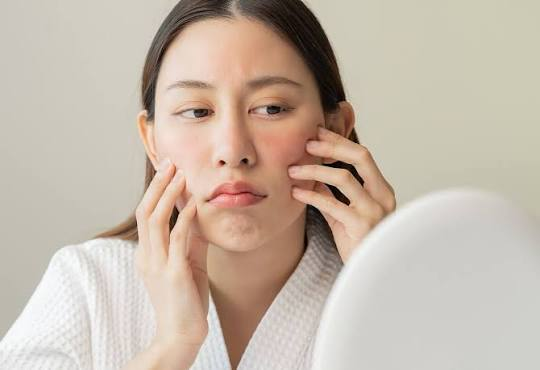

The skin is influenced by far more than the products applied to its surface. Genetics, environmental exposure, nutrition, stress, sleep, and daily habits can all affect how the skin looks and feels. Another important influence comes from inside the body: hormones.
Hormones act as chemical messengers and help regulate a wide range of biological processes. Changes in hormone levels can affect oil production, inflammation, pigmentation, hair growth, and other processes connected with skin health.
This is why some skin changes appear during puberty, throughout the menstrual cycle, during pregnancy, or at other stages of life associated with hormonal fluctuations. Understanding the relationship between hormones and the skin can make it easier to recognize why certain changes occur and when professional advice may be helpful.
The Connection Between Hormones and the Skin
The skin contains receptors that can respond to hormonal signals. These signals may influence the activity of sebaceous glands, hair follicles, pigment-producing cells, and other structures.
Because hormone levels naturally change throughout life, the appearance and behavior of the skin can change as well.
For some people, these changes are barely noticeable. For others, hormonal fluctuations can be associated with increased oiliness, breakouts, changes in pigmentation, or differences in facial and body hair growth.
The relationship is complex because several hormones can influence the skin at the same time.
Puberty and Changes in Skin
Puberty is one of the most noticeable periods of hormonal change.
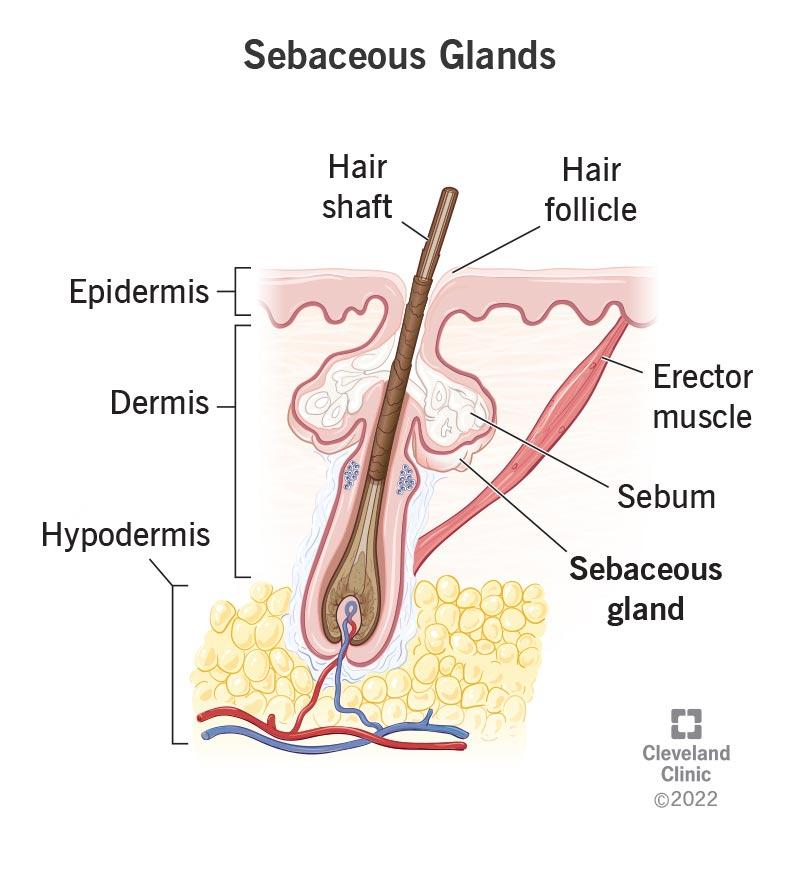
During this stage, increased hormonal activity can stimulate sebaceous glands. These glands produce sebum, an oily substance that helps protect and moisturize the skin.
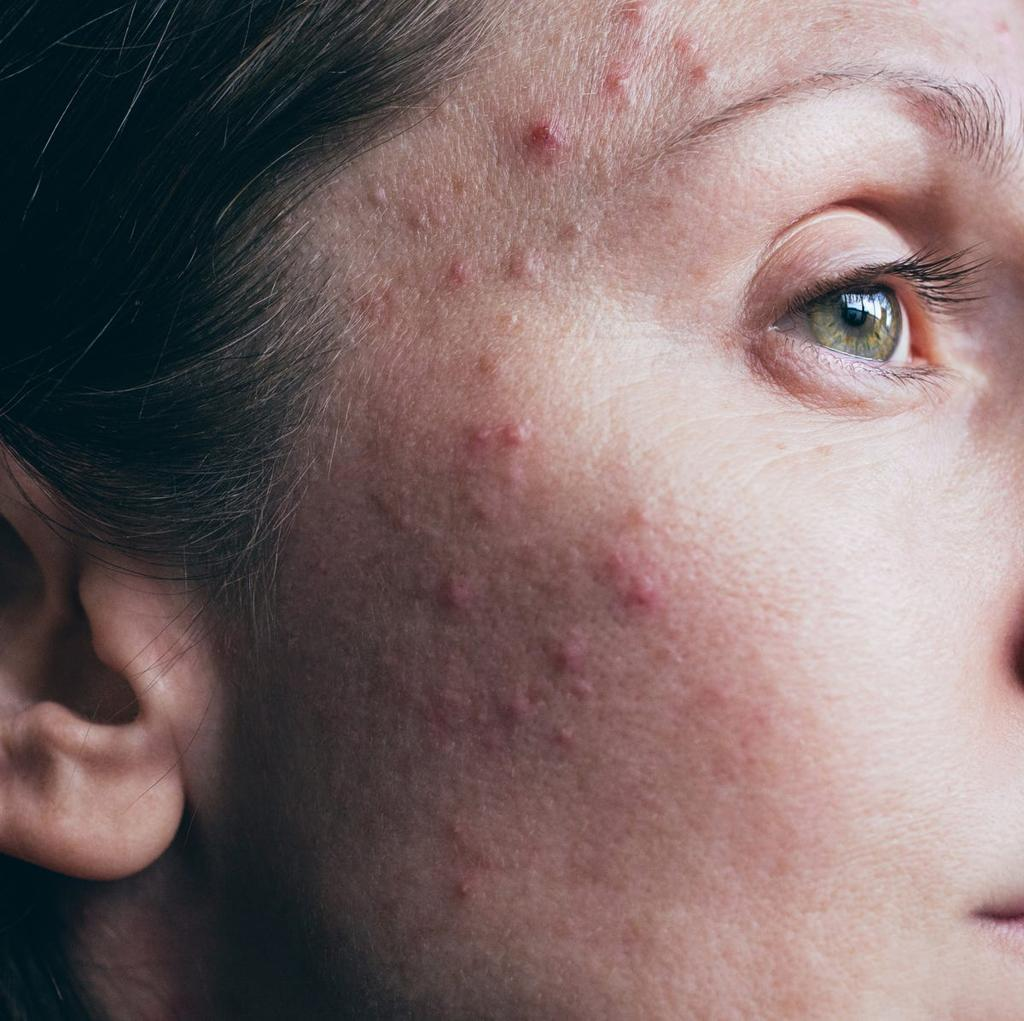
However, excessive sebum production can contribute to blocked pores. When combined with dead skin cells and bacteria, this may create conditions associated with acne.
The severity of acne varies significantly. Some people experience occasional breakouts, while others develop persistent or more severe forms.
Genetics, skincare habits, inflammation, and other factors can also influence how the skin responds.
Hormonal Fluctuations and Adult Acne
Acne is often associated with teenagers, but it can continue into adulthood or first appear later in life.
Some adults notice that breakouts follow predictable patterns. For example, changes may occur during particular phases of the menstrual cycle.
Hormonal fluctuations can influence sebum production and inflammatory processes, potentially affecting the development of acne.
Adult acne can be frustrating because the skin may simultaneously experience other changes, such as increased dryness or sensitivity.
This makes it important to avoid assuming that one skincare routine will work equally well for every person.
Androgens and Sebum Production
Androgens are a group of hormones that can influence several processes throughout the body.
One of their effects involves the sebaceous glands. Increased androgen activity can stimulate these glands and contribute to greater sebum production.
For some individuals, this may result in oily skin and an increased tendency toward clogged pores.
The response can vary because hormone levels are only one part of the equation. The sensitivity of individual receptors and genetic factors can also influence how strongly the skin reacts.
Hormonal Changes and Hair Growth
Hormones can also affect hair follicles.
Changes in hormonal activity may influence where and how hair grows. Some people may notice changes in facial hair or body hair during different stages of life.
Hair follicles in different areas of the body can respond differently to hormonal signals.
This is one reason why hormonal changes may influence the appearance of both the skin and hair at the same time.
When significant or unexpected changes in hair growth occur, professional evaluation may be appropriate.
Estrogen and Skin Appearance
Estrogen is another hormone that has an important relationship with the skin.
Changes in estrogen levels may influence hydration, elasticity, and other characteristics associated with skin appearance.
During periods of significant hormonal change, some people notice that their skin becomes drier or less resilient.
The effects vary considerably between individuals and can depend on age, genetics, environmental factors, and overall health.
Hormones and Pigmentation
Hormonal changes can sometimes influence melanin production.
Melanin is the pigment responsible for much of the natural color of the skin, hair, and eyes.
In some situations, hormonal changes may be associated with the development of uneven pigmentation. Melasma is one example of a condition in which hormonal influences and sun exposure can both play a role.
Protecting the skin from ultraviolet radiation is particularly important for people prone to pigmentation concerns.
Stress Hormones and the Skin
Psychological and physical stress can affect many systems throughout the body.
Periods of prolonged stress may influence sleep, immune function, inflammation, and other processes that can indirectly affect the skin.
Some people notice that breakouts become more frequent during stressful periods.
Stress alone does not explain every skin problem, but managing stress may be beneficial as part of an overall approach to wellbeing and skin health.
Regular exercise, sufficient sleep, and relaxation techniques may help support general health.
The Role of Skincare During Hormonal Changes
When the skin changes because of hormonal influences, it can be tempting to respond by using multiple new products at once.
However, this can sometimes create additional problems.
Strong cleansers, aggressive exfoliation, and excessive use of active ingredients may damage the skin barrier and increase irritation.
A simple and consistent skincare routine is often easier to manage.
Basic steps may include gentle cleansing, appropriate moisturization, and regular sun protection.
For acne-prone skin, selecting products that do not unnecessarily clog pores may also be helpful.
The most appropriate routine depends on individual skin characteristics.
When Hormonal Factors May Require More Attention
Occasional breakouts and minor changes in skin oiliness are common.
However, persistent or significant changes may sometimes justify professional evaluation.
A healthcare professional can help determine whether skin symptoms may be associated with hormonal factors or another underlying cause.
This can be particularly important when skin changes occur alongside other noticeable physical symptoms.
Rather than attempting to manage every concern with cosmetics alone, identifying the possible cause can lead to a more appropriate approach.
Medical Approaches and Hormonal Skin Concerns
When healthcare professionals determine that hormonal activity may be contributing to certain skin concerns, different treatment approaches may be considered depending on the individual situation.
These approaches are designed to address specific biological processes rather than simply covering visible symptoms.
For example, some strategies focus on reducing the influence of hormones associated with increased oil production and acne.
In certain cases, healthcare professionals may consider managing hormone-related skin concerns as part of a broader treatment plan based on an individual’s symptoms and medical history.
Because hormonal treatments can affect multiple systems throughout the body, they should not be approached in the same way as ordinary cosmetic skincare products.
Potential benefits, risks, contraindications, and individual circumstances should be evaluated by an appropriately qualified healthcare professional.
Why Self-Diagnosis Can Be Difficult
Hormonal influences on the skin are complex.
Acne, pigmentation changes, oiliness, and hair growth can all have multiple possible causes.
For example, a breakout may be influenced by hormones, but it may also be affected by skincare products, stress, medications, genetics, or environmental factors.
Similarly, changes in pigmentation may involve sunlight, inflammation, hormones, or a combination of influences.
This makes self-diagnosis unreliable.
Persistent concerns are best evaluated in context rather than assuming that hormones are automatically responsible.
Supporting General Skin Health
Although hormones cannot be controlled through skincare alone, general habits can support healthy skin.
A balanced diet provides nutrients needed for normal biological processes.
Sufficient sleep allows the body to recover from daily stress.
Regular physical activity supports overall wellbeing.
Gentle skincare helps maintain the skin barrier and may reduce unnecessary irritation.
Sun protection remains important because ultraviolet radiation can affect collagen, pigmentation, and other aspects of skin appearance.
These habits may not prevent every hormonally influenced skin change, but they provide a useful foundation for long-term skin health.
A Balanced Perspective
Hormones are an important part of skin biology, but they are only one piece of a larger picture.
Genetics, lifestyle, environmental exposure, age, and skincare habits can all influence the way the skin behaves.
Understanding these connections can help people avoid unrealistic expectations and overly aggressive skincare routines.
When changes are mild, a consistent approach to skincare and general wellbeing may be sufficient.
When symptoms are persistent, severe, or unusual, professional evaluation can help identify potential causes and determine whether additional treatment is appropriate.
Ultimately, healthy skin is not defined by the complete absence of imperfections. The skin naturally changes throughout life, responding to internal and external influences.
By understanding how hormonal fluctuations can affect oil production, inflammation, pigmentation, and hair growth, it becomes easier to take a thoughtful and informed approach to skin health.