
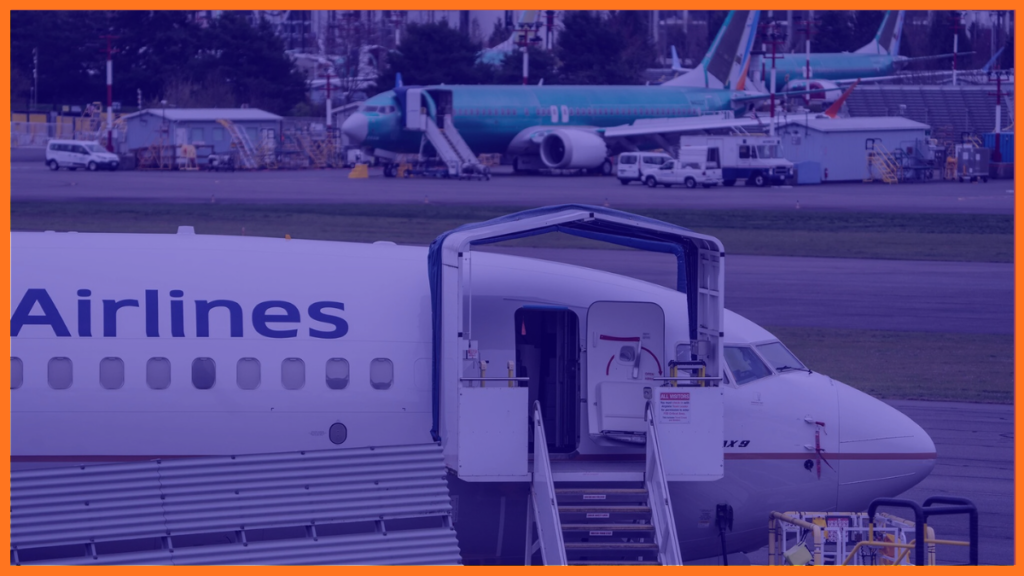

Which Boeing planes to avoid is a common concern among travelers who prioritize safety. Over the years, certain Boeing aircraft models have faced scrutiny due to accidents, technical issues, and software malfunctions. While Boeing remains one of the most trusted aviation manufacturers, understanding which planes may present potential risks helps passengers make informed decisions and travel with confidence.
Travelers often wonder whether they should avoid specific Boeing models or trust all aircraft equally. While regulatory authorities ensure all planes meet safety standards, history and reported incidents provide valuable insight. This guide focuses on which Boeing planes to avoid, giving travelers clear and up-to-date advice to ensure a safer flying experience.
Understanding Boeing Aircraft Safety
Which Boeing planes to avoid cannot be determined solely by past incidents, as aircraft safety depends on a combination of factors, including maintenance, pilot training, and airline safety culture. Boeing operates multiple aircraft families, including the 737, 747, 767, 777, and 787, each with different safety records. Regulatory authorities like the FAA and NTSB closely monitor these planes to maintain industry standards.
Regular inspections, software updates, and rigorous training protocols make most Boeing planes extremely safe to fly. However, certain models have faced recurring scrutiny, making them more notable for travelers to consider. Understanding the broader safety context allows passengers to weigh risk without unnecessary fear, focusing on informed decision-making rather than speculation.
Boeing 737 MAX Series – Why Travelers Are Concerned
The Boeing 737 MAX series, particularly MAX 8 and MAX 9, has gained attention due to a series of high-profile accidents in 2018 and 2019. The incidents were primarily linked to the MCAS flight control system, which caused two tragic crashes. These events led to a worldwide grounding of the MAX series and intensified safety concerns among travelers.
Even after recertification and software updates, some travelers remain wary of the 737 MAX. Airlines operating these planes continue to implement strict maintenance protocols and pilot training to ensure passenger safety. Which Boeing planes to avoid often starts with the 737 MAX because of its historical issues, although ongoing improvements have significantly reduced risks.
Other Boeing Aircraft Models with Safety Concerns
Beyond the 737 MAX, other Boeing models have experienced safety-related incidents worth noting. The Boeing 787 Dreamliner, for example, has faced battery fire issues and occasional door malfunctions. While these incidents are rare and have been addressed with updated procedures, awareness is crucial for travelers who prioritize risk assessment.
Older Boeing 737-800 models also raise occasional concerns due to maintenance challenges. While generally safe, the age of these planes may increase the likelihood of minor technical issues. Larger aircraft like the 747, 767, and 777 are widely regarded as safe, though specific events, such as mechanical failures or airline-specific incidents, may influence traveler perceptions. Evaluating which Boeing planes to avoid includes analyzing both historical data and operational factors.
How to Identify and Avoid Specific Boeing Planes When Booking Flights
Travelers looking to avoid specific Boeing planes can take proactive steps when booking flights. Most airline booking platforms, including Google Flights and official airline websites, display aircraft types for each route. By reviewing these details, passengers can choose flights that do not operate models of concern.
Filtering by aircraft type or checking third-party travel tools can also help. For example, sites like Alternative Airlines or SeatGuru provide detailed insights into aircraft models and configurations. Choosing airlines with minimal MAX series exposure or newer fleets can reduce perceived risks. By understanding which Boeing planes to avoid, travelers gain peace of mind while planning their trips.
Traveler Safety Tips When Flying on Boeing Planes
Even if you fly on models some travelers may avoid, adopting safety-conscious habits can enhance comfort and confidence. Selecting seats closer to exits, understanding emergency protocols, and verifying airline safety records are practical measures. Awareness of the aircraft type adds an extra layer of reassurance during travel.
Passengers should remember that airline procedures, pilot experience, and proper maintenance heavily influence flight safety. While certain Boeing models may have historical issues, the majority of flights operate without incident. Incorporating these safety tips ensures that travelers are prepared, informed, and able to enjoy a secure flying experience.
Conclusion
Which Boeing planes to avoid is an important consideration for informed travelers. While the 737 MAX series and a few other models have a documented history of incidents, continuous improvements and rigorous recertifications have mitigated most risks. By understanding aircraft types, reviewing airline safety protocols, and applying practical travel tips, passengers can confidently choose flights that meet both safety standards and personal comfort preferences.
Making informed choices allows travelers to focus on enjoying their journeys without unnecessary anxiety. The history of certain Boeing planes offers valuable lessons in aviation safety, but modern procedures and updated fleets ensure that most flights remain extremely safe.
FAQs
Is it safe to fly on a Boeing 737 MAX today?
Yes, the 737 MAX has been recertified with updated software and pilot training. Airlines follow strict safety protocols to ensure passengers are secure.
Which Boeing planes are considered the safest for travel?
Models like the 777, 787 Dreamliner (post-fixes), 747, and newer 737 variants are considered very safe due to modern technology and regular maintenance.
How can I find out which aircraft my flight will use?
Most booking platforms display aircraft types. Google Flights, airline websites, and third-party tools like SeatGuru provide detailed flight information.
Are older Boeing 737 models risky to fly on?
Older 737s are generally safe, but age may contribute to minor technical issues. Proper maintenance and airline protocols minimize risks.
Do all airlines operate the Boeing 737 MAX?
No, some airlines, particularly in the US, have minimal or no MAX series aircraft. Check airline fleet details before booking.
Has Boeing improved safety after the MAX crashes?
Yes, Boeing implemented software fixes, additional pilot training, and more rigorous safety checks to address previous concerns.
Should I avoid Boeing planes entirely, or just certain models?
Travelers only need to consider specific models with documented incidents. Most Boeing aircraft are safe and heavily regulated.
Are international Boeing flights safer than US flights?
Safety depends on airline procedures rather than country. Both international and US airlines follow strict safety standards.