
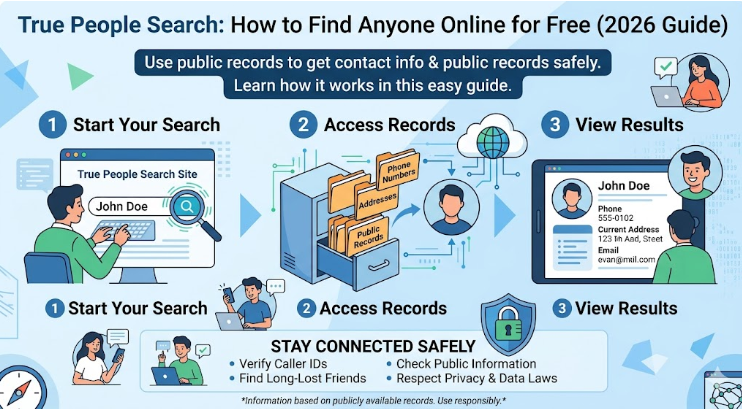

Finding someone from your past used to feel like a movie mystery. Today, it is much easier. Whether you want to find an old classmate or check who just called you, a true people search can help. It uses public records to give you names, phone numbers, and addresses. It is a powerful tool that helps millions of people stay connected. In this guide, we will look at how these tools work, why they are helpful, and how you can use them safely.
What Exactly is a True People Search?
A true people search is a digital tool that looks through billions of public records. Think of it like a giant library that has information from every city and state. When you type in a name, the tool scans through property records, social media, and phone books. It then puts all that information into one neat report for you.
Many people use these tools because they are fast. Instead of calling a courthouse or searching through old paper files, you get results in seconds. It is a great way to verify who someone is before you meet them or start a business deal. These platforms often use “reverse phone lookup” or “address search” to help you find the right person even if you only have a little bit of information.
How Do These Search Tools Gather Information?
You might wonder how a true people search knows so much. The answer is public records. These are documents that the government or companies keep that anyone can legally see. For example, when someone buys a house, that is a public record. When someone gets married, that is also a public record.
In the digital age, these records are stored on computers. Search engines crawl these databases to find connections. They also look at social media profiles and online directories. By combining all these small pieces, they create a full picture. This process is called data aggregation. It is very helpful for finding “contact information” or “criminal records” without having to visit multiple websites.
Why You Might Need to Use a People Finder
There are many good reasons to perform a true people search. One of the most common reasons is reconnecting with family. Maybe you have an aunt you haven’t seen in ten years. Another common reason is safety. If an unknown number keeps calling your phone, you can use a “reverse lookup” to see who it is.
I once used a search tool to find a former coworker for a job reference. I only remembered her first name and the city she lived in. By using a true people search, I found her current email in less than five minutes. It saved me a lot of stress! It is also useful for checking your own online footprint to see what information about you is available to the public.
Quick Summary of Features
| Feature | What it Does | Why it Matters |
| Name Search | Finds people using first and last names. | Best for finding old friends. |
| Phone Lookup | Identifies owners of unknown numbers. | Stops spam and protects you. |
| Address Search | Shows who lives at a specific house. | Useful for real estate or neighbors. |
| Email Search | Connects an email address to a person. | Verifies identity for online safety. |
Is Using a True People Search Free?
Many websites offer a basic true people search for free. You can usually see a person’s age, city, and some family members without paying. This is great for a quick check. However, if you want a “full background report,” you might have to pay a small fee.
The free versions are usually enough for most people. They help you confirm you have found the right “John Smith” among many others. If you need deeper details like “legal records” or “property history,” the paid versions are more detailed. Always check if a site is “FCRA compliant” if you are using the info for official reasons, like hiring someone.
The Importance of Accuracy in Online Records
While a true people search is very helpful, it is not always 100% perfect. Sometimes, two people have the same name and live in the same city. This can lead to mixed-up information. It is always a good idea to look at the “relative names” or “past addresses” to make sure the report belongs to the right person.
I always suggest double-checking the information you find. If a search says someone lives in Florida but you know they moved to Texas, the record might be a few months old. Most “people finders” update their data often, but the government can be slow to update digital files. Using “multiple search engines” can help you get the most accurate results possible.
Protecting Your Privacy Online
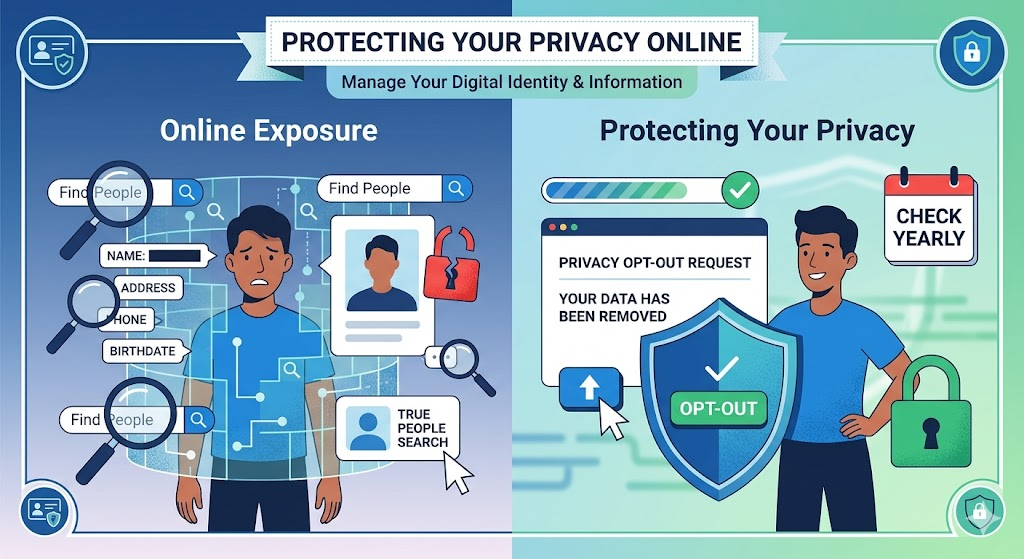
When you use a true people search, you might realize that your own information is out there too. This can be a bit scary! The good news is that most of these websites allow you to “opt-out.” This means you can ask them to remove your name from their search results.
To do this, you usually find the “privacy policy” or “remove my info” link at the bottom of the website. Protecting your “digital identity” is important. It helps prevent “identity theft” and keeps your private life private. It is a smart move to check these sites once a year to make sure your personal data isn’t being shared in a way you don’t like.
How to Perform a Reverse Phone Search
Have you ever received a call from a number you don’t know? Instead of answering and risking a scam, you can do a true people search using just the phone number. This is often called a “reverse phone lookup.” It tells you the name of the person or company calling you.
This feature is a lifesaver for avoiding “telemarketers” and “spam calls.” Many tools will even tell you if other people have reported that number as a scam. This keeps you and your family safe. It is one of the most popular ways to use “public record databases” today because it provides instant peace of mind.
Finding Long-Lost Friends and Classmates
One of the happiest ways to use a true people search is for reunions. Life gets busy, and people move away. You might lose a phone number or an address over the years. A simple search can help you find where they are now so you can send a friendly message.
When searching for friends, try to include the “middle initial” if you know it. This makes the true people search much more accurate. You can also look for “maiden names” if you are looking for someone who might have gotten married. It is a wonderful feeling to reconnect with someone who meant a lot to you in the past.
Understanding the Legal Side of Data Searching
It is important to use a true people search the right way. There are laws, like the “Fair Credit Reporting Act” (FCRA), that say how you can use this information. You cannot use these tools to screen people for jobs or to check if someone is “eligible for a loan” unless the website is specifically approved for that.
For personal use, like finding a neighbor or checking a caller, it is perfectly legal. Always be respectful of people’s “privacy and boundaries.” These tools are meant to build “trust and safety,” not for stalking or bothering people. Being a “responsible user” ensures that these helpful tools stay available for everyone.
Common Mistakes to Avoid When Searching
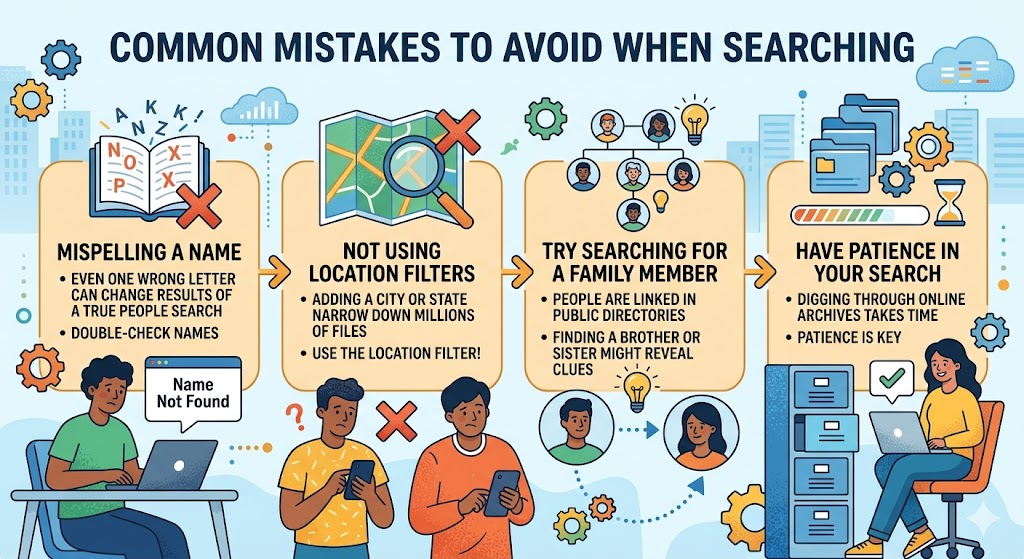
Many people get frustrated if they don’t find what they need right away. One big mistake is “misspelling a name.” Even one wrong letter can change the results of a true people search. Another mistake is not using the “city or state” filter. Adding a location helps the search engine narrow down millions of files.
If you don’t find someone, try searching for a “family member” instead. Often, people are linked together in “public directories.” If you find a brother or a sister, you might find a clue to the person you are looking for. Patience is key when digging through “online archives” to find the truth.
Frequently Asked Questions
1. Is true people search actually free?
Yes, many sites offer basic info like names and locations for free. You only pay if you want a deep background check or private records.
2. Can someone see if I searched for them?
No, these searches are usually private. The person you are looking for will not get a notification that you checked their public records.
3. How often is the information updated?
Most databases update every few weeks or months. However, some “newly created records” might take a little longer to show up online.
4. Can I remove my name from these websites?
Yes! Almost all reputable sites have an “opt-out” page where you can request to have your personal records hidden from search results.
5. What if the information is wrong?
Since these sites pull from many places, errors happen. You can contact the site to correct it, or check the “original source” like a local court.
6. Does it work for people outside the USA?
Some tools are global, but many true people search websites focus on the United States because our public records are easier to access online.
Conclusion
A true people search is an amazing way to bridge the gap between people. It helps us stay safe, find our friends, and verify the world around us. By using “public data” responsibly, we can make the internet a more transparent place. Remember to always respect privacy and use the information to help others. Whether you are searching for a “lost relative” or just checking a “mystery caller,” these tools are here to help you get the answers you need. Start your search today and see who you can find!
Did this guide help you find what you were looking for? Share your success stories with us in the comments!