
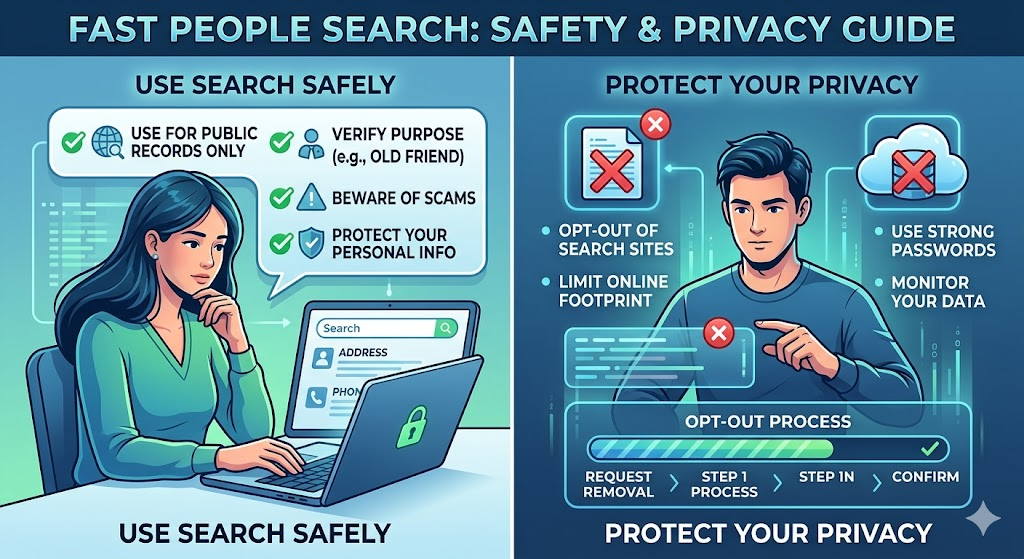

Have you ever tried to find an old friend online? Maybe you wanted to check someone’s background for a business deal. The term Fast People Search is very common these days. It refers to online tools that gather public records into one place. These sites make it simple to find addresses, phone numbers, and family ties. However, using these tools requires care. While they are helpful, they also raise big privacy concerns. You must learn how to use these services safely and how to keep your own data private.
What Is Fast People Search?
Fast people search platforms are digital aggregators. They act like a giant phone book for the internet. They pull data from public records, property deeds, and social media. These sites create a profile for almost everyone. They do not claim to be credit reporting agencies. This means you should never use them for important decisions like hiring or insurance. They are meant for basic info, like finding a long-lost cousin or a neighbor’s contact details.
Why Privacy Matters Online
Your digital footprint grows every single day. Sites that offer a fast people search feature can put your personal details at risk. When your home address and phone number are public, you may face spam calls or scams. In worse cases, it can lead to stalking or identity theft. Protecting your personal data is not just about staying hidden. It is about keeping control over who knows where you live and how to reach you.
How to Conduct a Safe Search
If you must use a fast people search tool, do it wisely. Always verify the information you find. Sometimes these sites have old data or mixed-up records. Start with a broad search using just a name and a city. If you find too many matches, add a middle name or a known age. Never pay for “deep” reports unless you trust the site. Most of the time, the free information is enough to confirm a person’s identity.
Understanding Public Record Data
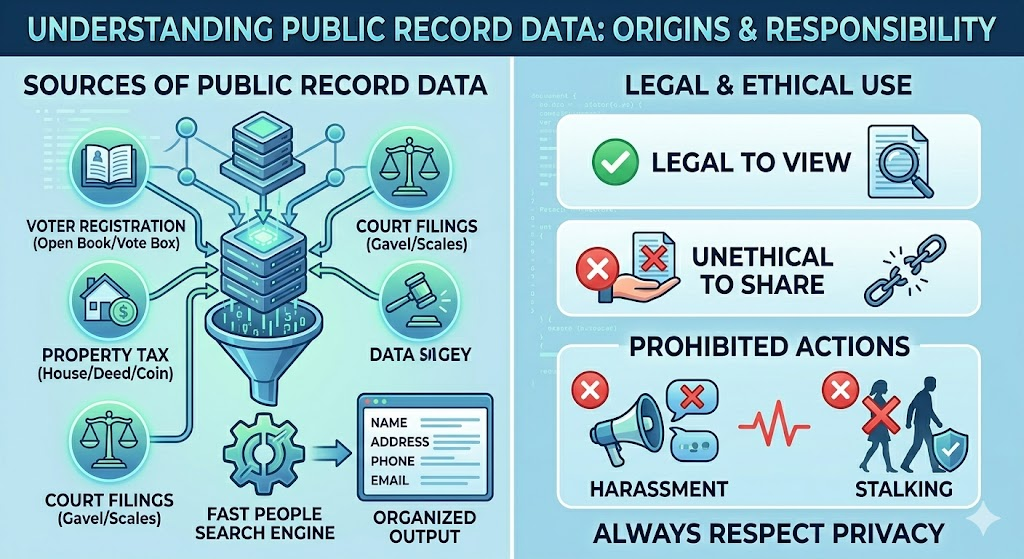
Where does all this data come from? Most of it is legally public. Voter registration, property tax records, and court filings are open to anyone. A fast people search engine just organizes these messy files into a nice list. It is legal to view this data, but it is not always ethical to share it. Always respect others’ privacy. Do not use this information to harass or stalk anyone you find online.
Steps to Remove Your Information
You have the right to request that your data be taken down. Most sites like the ones providing a Fast People Search have an “Opt-Out” page. Go to their website and look for the removal link. You will need to provide your name and an email address to confirm. Once you submit the request, it may take a few days to process. Check back periodically to ensure your listing stays gone.
Protecting Your Identity Digitally
Removing your name from one site is a great start. But the web is huge, and many sites exist. You should also limit what you share on social media. Set your profiles to private whenever possible. Use a secondary email for signing up for random services. By lowering your digital footprint, you make it harder for a fast people search engine to find and sell your personal details.
Tips for Better Online Safety
Beyond using a fast people search opt-out, use a Virtual Private Network (VPN). A VPN masks your IP address and keeps your browsing private. It is a simple tool that acts like an invisible shield. Also, consider using identity theft protection services. These services scan the web for your info. They can alert you if your data appears on suspicious sites. Staying ahead of data brokers is the best way to remain safe.
Understanding Data Broker Tactics
Data brokers are companies that sell your personal habits. They monitor your clicks, your purchases, and your location. A fast people search tool is just one part of their business model. They want to build a profile to sell to advertisers. If you feel uncomfortable, you can use automated tools. These services scan dozens of sites and send removal requests for you automatically. It saves time and helps keep your records clean.
The Role of Google in Privacy
Google can also help you manage your personal results. You can use their “Results about you” feature. This tool lets you request the removal of your private info from search results. If you find a URL that shows your home address or private phone number, report it. Google will review the request and potentially remove the link. This is a very powerful way to clean up your online presence today.
Summary of Best Practices
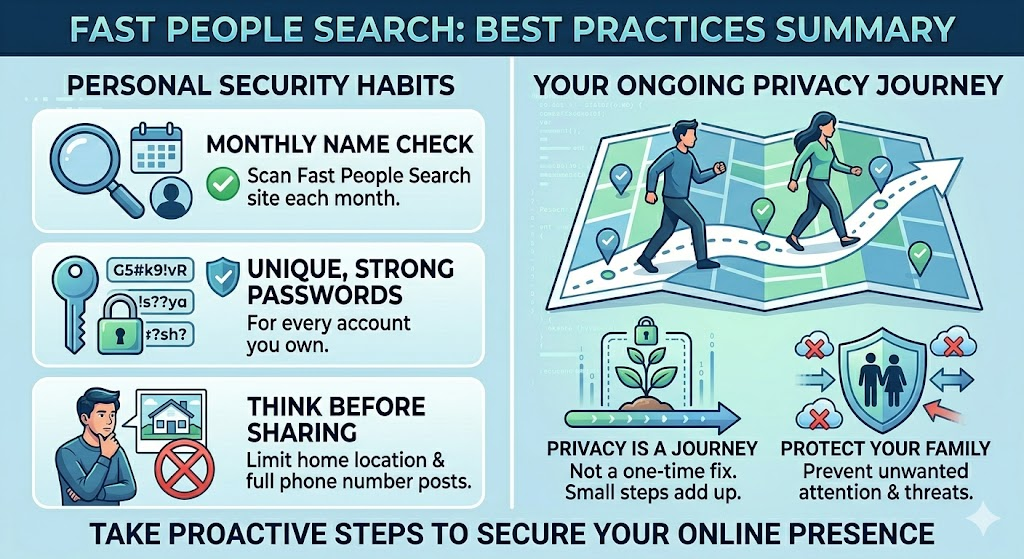
To stay safe, always be proactive. Check your name on a fast people search site once a month. Use strong, unique passwords for every account you own. Think twice before posting your home location or full phone number publicly. Privacy is a journey, not a one-time fix. By taking these small steps, you protect yourself and your family from unwanted attention and online threats.
Comparison of Privacy Methods
| Method | Ease of Use | Cost | Effectiveness |
| Manual Opt-Out | Medium | Free | Varies by site |
| Automated Services | High | Monthly Fee | High |
| Social Media Privacy | High | Free | Essential |
| VPN Usage | High | Varies | High for IP privacy |
Frequently Asked Questions
1. Is it legal to perform a fast people search?
Yes, it is legal to search for publicly available information about people. However, you must use it ethically and follow all local privacy laws.
2. Can I remove my info from every search site?
It is very difficult to remove your data from every corner of the internet. However, you can remove it from major data brokers, which significantly improves your privacy.
3. Does a VPN stop my info from appearing on search sites?
No, a VPN hides your current location and IP address while you browse. It does not delete historical public records that are already in a database.
4. How often should I check my records?
Experts recommend checking your public information on fast people search sites every three to six months to ensure your data has not reappeared.
5. What should I do if I see wrong info about me?
You can usually contact the support team of the website. Most sites have a correction or removal form specifically for inaccurate listings.
6. Is there a free way to remove my data?
Yes, most fast people search providers are required by law to offer a free opt-out process. You do not have to pay a company to do this for you.
Conclusion
Managing your presence online is a big job. The fast people search industry makes it easy for others to learn about you, but you have the power to push back. By removing your records, tightening your social media settings, and staying alert, you keep your life private. Start your privacy check today. Take control of your data, and enjoy a safer experience on the web.