
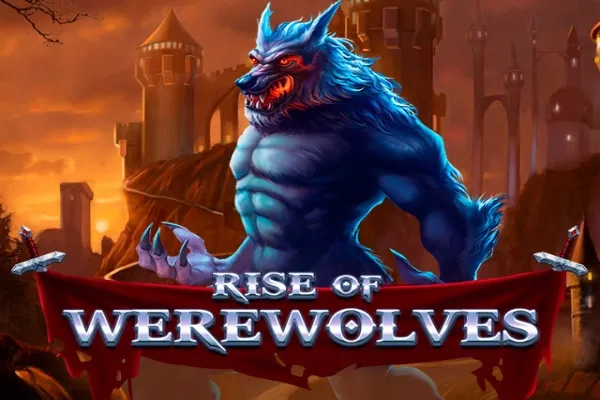

For centuries, the shadows of our collective imagination were strictly partitioned. Vampires held a monopoly on aristocratic elegance, Gothic romance, and the existential dread of immortality. Zombies cornered the market on apocalyptic anxiety, societal collapse, and the terrifying loss of individuality. Meanwhile, the werewolf was largely relegated to the fringes of the monster pantheon—viewed as a tragic but somewhat simple creature of pure, mindless impulse. The lycanthrope was a beast trapped in a cycle dictated entirely by the moon, lacking the calculating malice of the vampire or the sheer, overwhelming numbers of the undead.
However, a massive cultural shift has quietly and powerfully reshaped the landscape of speculative fiction. The modern creative landscape is currently witnessing a massive resurgence in lycanthropic lore, a phenomenon best described as the rise of werewolves. No longer confined to the outdated tropes of tattered clothes, tragic howling, and silver-bullet clichés, the werewolf has been radically reimagined for the contemporary era. Today, these creatures represent something far more complex: the struggle between civilization and primal instinct, the reclamation of bodily autonomy, the power of found families, and the ultimate expression of raw, untamed power.
The Metamorphosis of Lycanthropic Mythology
To understand the modern Rise of Werewolves, one must look at how drastically the core mythology has evolved. Historically, folklore treated lycanthropy strictly as a curse or a horrific disease. In early European myths, becoming a werewolf was a punishment from God or the result of dark witchcraft, transforming the victim into a literal, four-legged wolf that terrorized local livestock and villagers. When cinema first captured the beast in the mid-twentieth century, it introduced the concept of the tragic monster—a gentle soul cursed by a bite, entirely helpless against the transformative power of the full moon.
The contemporary reimagining of the werewolf completely flips this narrative on its head. In modern literature, television, and film, lycanthropy is frequently treated not as a curse, but as an ancient lineage, a genetic gift, or a profound awakening. Modern werewolves are often depicted as retaining their human consciousness, or at least a highly heightened state of awareness, while transformed. This evolutionary leap in storytelling allows writers to explore the duality of the human mind rather than just a mindless slaughter. The transformation is no longer just a physical horror; it is a psychological crucible where human intellect integrates with apex predator instincts, creating a being that is terrifyingly complete.
The Appeal of the Pack and Found Families
A driving force behind the cultural obsession with werewolves is the inherent structure of the pack. In an increasingly digital world characterized by profound isolation, hyper-individualism, and the fracturing of traditional communities, the werewolf pack offers a deeply appealing fantasy of absolute belonging. Unlike the solitary vampire who skulk in solitary crypts or the mindless zombie hordes that lack genuine connection, werewolves are defined by their intense, unbreakable social bonds.
Modern storytellers have capitalized on this dynamic, leaning heavily into the concept of the pack as the ultimate found family. The pack structure provides characters—and by extension, audiences—with a fierce sense of loyalty, shared responsibility, and unconditional acceptance. Within a pack, every member has a distinct role, bound together by an empathetic telepathic link or an unshakeable instinctual drive to protect their own. This themes resonates powerfully with contemporary audiences who crave deep, loyal connections in their own lives. The rise of werewolves in fiction mirrors a societal yearning for community, demonstrating that true strength comes from collective unity rather than isolated survival.
Reclaiming the Primal Wild and Environmental Anxiety
The resurgence of the werewolf is also deeply tied to our changing relationship with the natural world and rising eco-anxiety. For decades, humanity has steadily detached itself from nature, living in climate-controlled concrete jungles and viewing the wilderness through screens. The werewolf represents the violent, beautiful reassertion of the natural world over artificial human constructs. They are creatures of the forest, the moon, and the raw earth, existing as a bridge between the civilized world and the untamed wild.
In many modern narratives, werewolves are positioned as protectors of the environment, eco-warriors fighting against corporations, urban sprawl, and industrial destruction. This creative choices taps into a collective guilt and anxiety regarding the destruction of our planet. Watching a powerful, majestic beast tear through the machinery of industrial exploitation offers a cathartic thrill. Furthermore, the werewolf embodies the wildness that humans have suppressed within themselves. Embracing the wolf is an act of shedding societal expectations, corporate burnout, and rigid etiquette to tap into something ancient, fierce, and entirely authentic.
The Ultimate Metaphor for Bodily Autonomy and Transformation
At its deepest psychological level, the werewolf story is about the body. The physical transformation—the cracking of bones, the rapid growth of fur, the elongation of teeth, and the sudden explosion of heightened senses—is an incredibly potent metaphor for the physical upheavals of human life. Historically used as a clunky allegory for puberty, modern writers have expanded the werewolf transformation into a multifaceted symbol for bodily autonomy, gender expression, and radical self-acceptance.
For many contemporary readers and viewers, the rise of werewolves speaks directly to the experience of feeling alien in one’s own skin, only to discover that what makes you different is actually your greatest source of power. The transformation is frequently portrayed as an agonizing yet empowering process of shedding a false, fragile human exterior to reveal a truer, infinitely stronger form beneath. This themes has made werewolf fiction incredibly popular among marginalized communities, as it celebrates the fierce reclamation of the physical self against a society that demands conformity, suppression, and docility.
Shaping the Future of Speculative Fiction
As the werewolf continues to cement its dominance across media platforms, the genre shows no signs of slowing down. From bestselling urban fantasy novels and indie horror hits to massive streaming series and cinematic universes, creators are constantly finding new ways to push the boundaries of lycanthrope lore. We are seeing genres blend seamlessly, resulting in werewolf noir detective stories, high-fantasy political thrillers centered around rival packs, and intimate psychological horror films focusing on the grief of transformation.
What ensures the longevity of the werewolf is its incredible versatility as a storytelling device. It can effortlessly shift between a terrifying engine of horror, a romantic lead driven by fated bonds, or a noble hero fighting for the survival of their people. By moving away from the simplistic, monstrous caricatures of the past, creators have unlocked a rich vein of emotional and philosophical storytelling that ensures these creatures will continue to captivate our imagination for generations to come.
Conclusion
The spectacular rise of werewolves in modern pop culture is a testament to the enduring power of monsters to reflect our deepest human desires, fears, and cultural evolutions. By transforming the lycanthrope from a tragic, helpless victim of a curse into an empowered symbol of community, environmental ferocity, and bodily liberation, modern fiction has given us the monster we truly need for this era. In a world that often feels fractured, disconnected, and overly sanitized, the werewolf invites us to look into the dark woods, listen to the call of the pack, and embrace the untamed, resilient spirit that lies sleeping just beneath our civilized surface.